In an increasingly digital world, governments and businesses alike are seeking innovative solutions to streamline operations, enhance transparency, and ensure compliance. Einvoicing, or electronic invoicing, has emerged as a pivotal technology in this pursuit, particularly in the realm of tax compliance. It represents a significant leap forward in the digitalization of financial processes, offering profound benefits for both tax authorities and taxpayers.
The Evolution of Tax Compliance: From Manual to Digital
Historically, tax compliance has been a labor-intensive process, characterized by mountains of paper, manual data entry, and often, a reactive approach to audits. This traditional model is prone to errors, inefficiencies, and opportunities for fraud. The advent of einvoicing is fundamentally transforming this landscape, ushering in an era of proactive, realtime tax reporting and compliance.
E-invoicing involves the exchange of invoice data in a structured electronic format, allowing for automated processing and direct integration with accounting and tax systems. This is a stark contrast to simply sending PDF invoices via email, which, while digital, still often requires manual data extraction.
How E-Invoicing Drives Digitalization in Tax Compliance
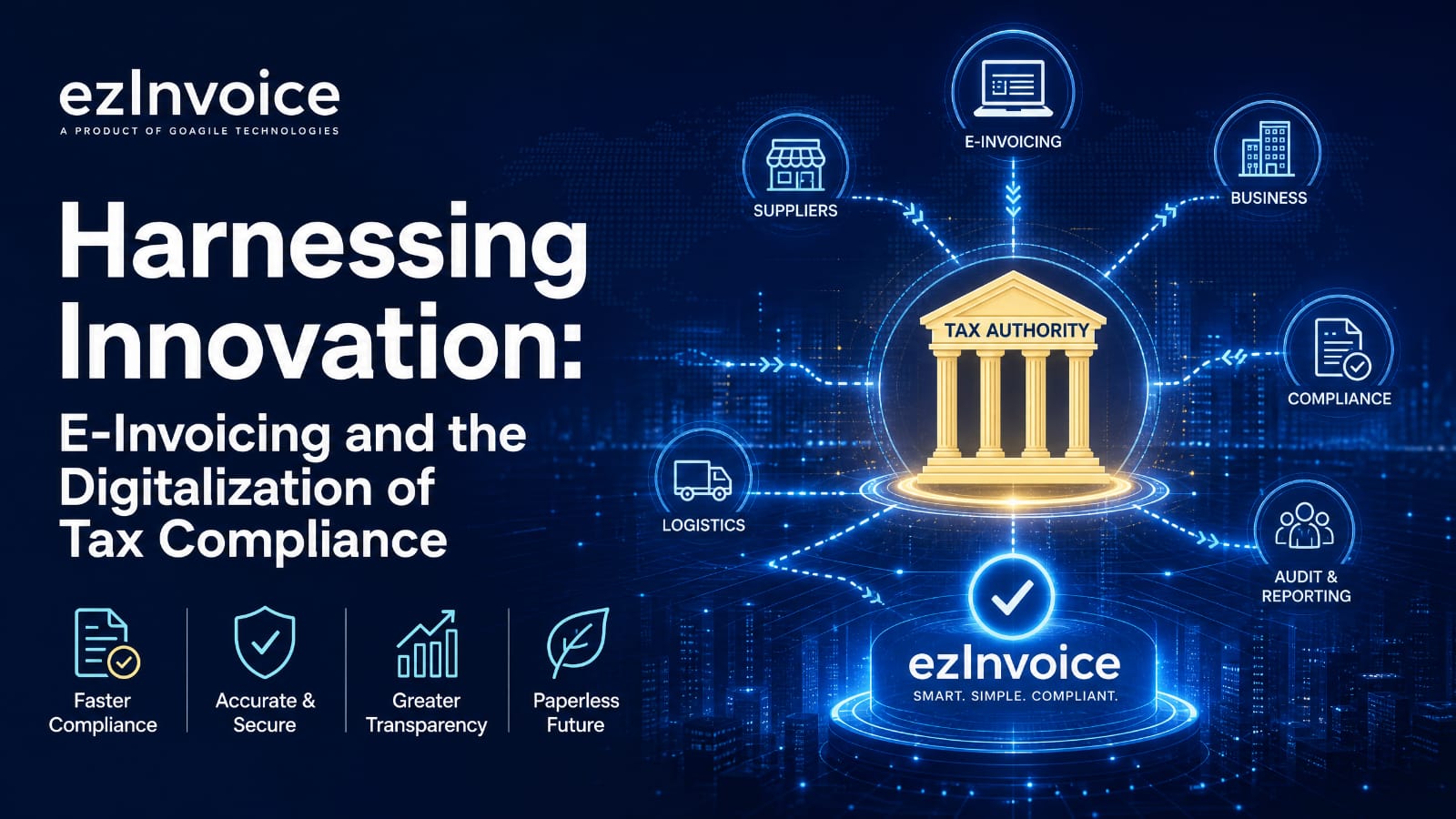
1. Real-time Visibility and Continuous Transaction Controls (CTCs) One of the most significant innovations brought by e-invoicing is the ability for tax authorities to gain real-time or near real-time visibility into transactional data. Many countries are implementing Continuous Transaction Controls (CTCs), where invoice data is transmitted directly to tax authorities at the point of transaction or shortly thereafter. This allows for immediate validation and reconciliation, drastically reducing the window for errors or fraudulent activities.
2. Enhanced Accuracy and Reduced Errors Automated data exchange inherent in e-invoicing minimizes human intervention, thereby reducing the likelihood of manual errors in invoice processing and tax calculations. This leads to more accurate tax declarations and fewer discrepancies, benefiting both businesses (through reduced penalties and rework) and tax authorities (through more reliable revenue collection).
3. Streamlined Audits and Dispute Resolution With all invoice data available in a structured, digital format, tax audits become significantly more efficient. Auditors can quickly access and analyze comprehensive transaction records, reducing the time and resources required for investigations. This also facilitates quicker resolution of disputes, as verifiable data is readily accessible.
4. Cost Savings and Operational Efficiency for Businesses Beyond compliance, businesses adopting e-invoicing realize substantial operational efficiencies and cost savings. These include reduced printing, postage, and storage costs, faster invoice processing cycles, and improved cash flow management. The automation frees up valuable human resources, allowing them to focus on more strategic tasks rather than repetitive administrative work.
5. Global Harmonization and Interoperability The push for e-invoicing is a global phenomenon, with many countries mandating its adoption. This trend is fostering greater harmonization of invoicing standards and protocols, making cross-border trade and compliance more straightforward. Businesses operating internationally can benefit from standardized processes, reducing the complexity of navigating diverse tax regulations.
The Future of Tax Compliance is Digital
E-invoicing is more than just a technological upgrade; it is a fundamental component of the broader digitalization of tax compliance. It empowers governments with better tools for oversight and revenue assurance, while providing businesses with enhanced efficiency, accuracy, and a clearer path to compliance. As innovation continues to reshape the f inancial landscape, harnessing the power of e-invoicing will be crucial for any entity looking to thrive in the digital economy and navigate the evolving demands of tax regulation.
Conclusion
The digitalization of tax compliance through e-invoicing is an undeniable force shaping modern economies. It represents a win-win scenario, fostering greater transparency and efficiency for tax administrations, and offering significant operational advantages for businesses. Embracing this innovation is not just about meeting regulatory requirements; it's about building a more robust, efficient, and fraud-resistant financial ecosystem for the future.