Vision 2030: A Blueprint for Economic Openness
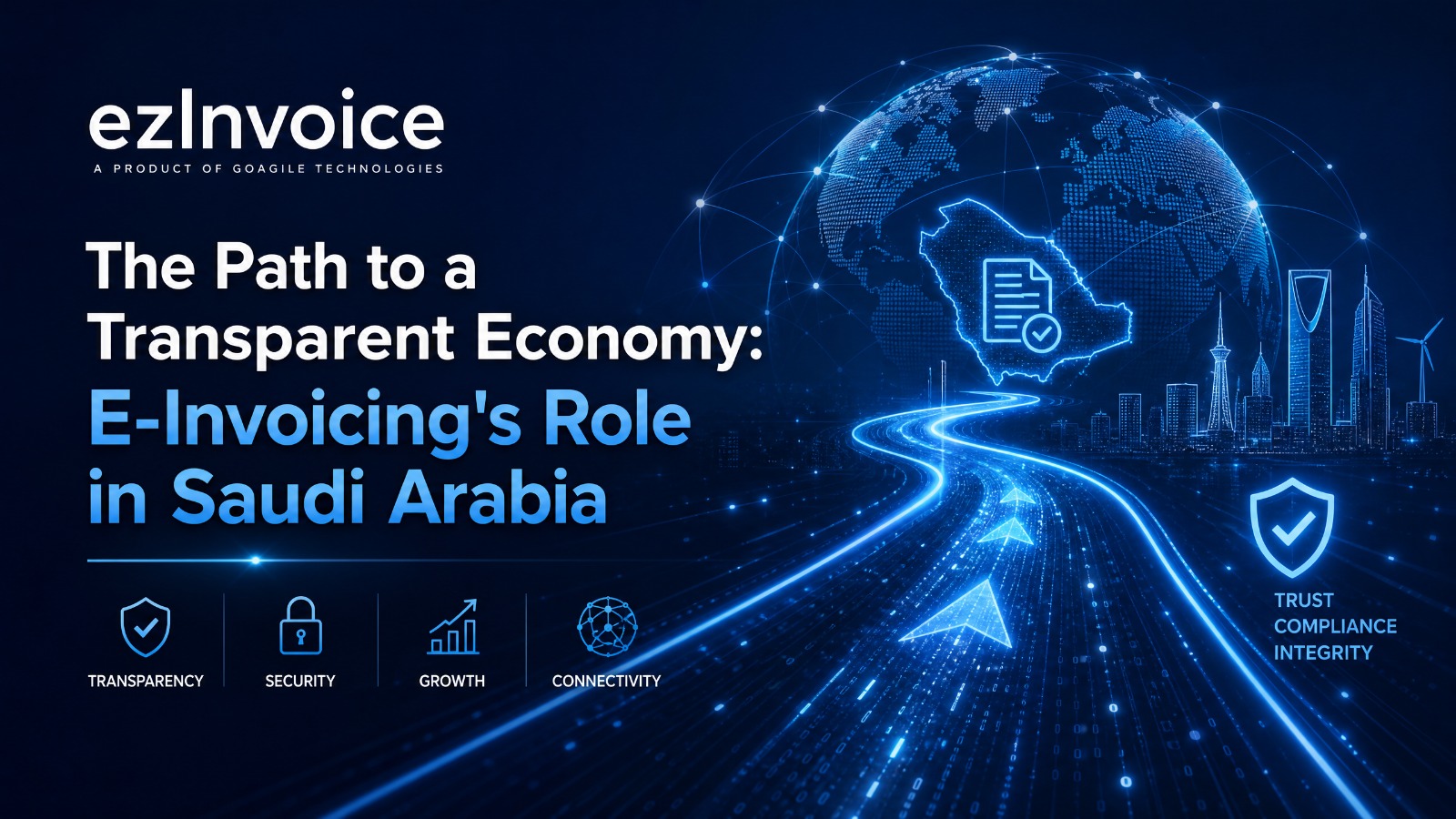
Saudi Arabia's Vision 2030 is an ambitious national strategy aimed at diversifying the economy, fostering sustainable growth, and enhancing the quality of life for its citizens. A cornerstone of this vision is the commitment to transparency and good governance, particularly within the economic and fiscal spheres. The implementation of e-invoicing stands out as a critical digital initiative directly contributing to the Kingdom's journey towards a more transparent and accountable economy .
E-Invoicing: A Catalyst for Economic Transparency
E-invoicing, mandated by the Zakat, Tax and Customs Authority (ZATCA) through its FATOORAH platform, transforms traditional paper-based billing into a structured, electronic process. This digital shift is far more than a mere technological upgrade; it is a fundamental mechanism for instilling greater transparency across all commercial transactions within the Kingdom. By standardizing invoice formats and enabling real-time data exchange, e-invoicing creates an unprecedented level of visibility and auditability .
Key Contributions of E-Invoicing to a Transparent Economy:
•Real-time Transaction Visibility: E-invoicing provides ZATCA with immediate access to transaction data, allowing for real-time monitoring of economic activities. This significantly reduces the time lag in financial reporting and enables proactive oversight .
•Reduced Fraud and Tax Evasion: The digital nature and mandatory validation process of e-invoices make it significantly harder for businesses to engage in fraudulent activities or evade taxes. Every invoice is authenticated, creating a robust system of checks and balances .
•Enhanced Audit Trails: Electronic invoices create an immutable and easily accessible audit trail for every transaction. This simplifies and strengthens the auditing process, ensuring that financial records are accurate and verifiable .
•Fair Competition: By ensuring that all businesses comply with the same invoicing standards and tax obligations, e-invoicing fosters a level playing field, promoting fair competition and discouraging illicit economic practices.
•Data-Driven Policy Making: The rich, granular data collected through the e-invoicing system provides invaluable insights into market trends, sectoral performance, and consumer behavior. This data empowers policymakers to make informed decisions, leading to more effective economic policies and resource allocation .
•Improved Business Integrity: For businesses, adopting e-invoicing demonstrates a commitment to transparency and compliance, enhancing their reputation and fostering trust with partners, customers, and regulatory bodies.
GoAgile Technologies: Facilitating the Transparent Transition
For businesses in Saudi Arabia, navigating the e-invoicing mandate is essential for contributing to and benefiting from this transparent economic environment. GoAgile Technologies, with its ZATCA-ready ezInvoice platform (eInvoice.sa.com), plays a crucial role in facilitating this transition. ezInvoice automates the creation, validation, and submission of compliant e-invoices, integrating seamlessly with existing ERP and accounting systems. By simplifying compliance, GoAgile empowers businesses to operate transparently and efficiently, aligning with the Kingdom's economic objectives .
Conclusion
E-invoicing is more than just a regulatory requirement in Saudi Arabia; it is a strategic imperative for building a transparent, efficient, and resilient economy. By embracing digital transformation through initiatives like ZATCA's FATOORAH platform, the Kingdom is laying a robust foundation for sustainable growth and enhanced fiscal governance. The path to a transparent economy is being paved by digital innovations, with e-invoicing serving as a vital tool in achieving the ambitious goals of Vision 2030.