Saudi Arabia's Vision 2030: A New Era of Fiscal Responsibility
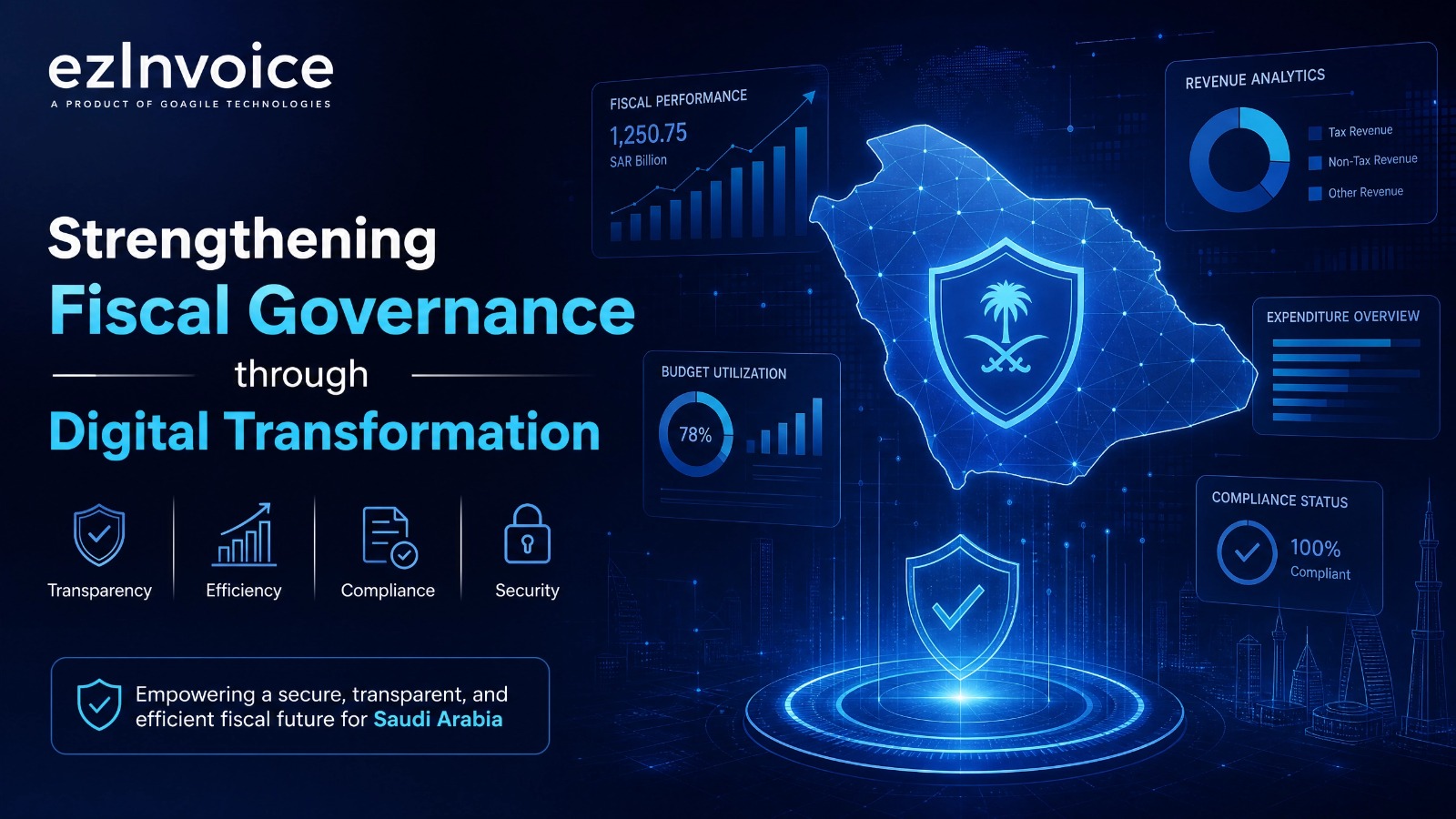
Saudi Arabia's ambitious Vision 2030 is not merely an economic diversification plan; it is a comprehensive blueprint for national transformation, with fiscal governance at its core. A pivotal element in this transformation is the strategic adoption of digital technologies, particularly e-invoicing, to create a more robust, transparent, and efficient financial ecosystem. This digital shift is fundamentally reshaping how the Kingdom manages its public finances, ensuring greater accountability and sustainable economic growth .
The Role of Digital Transformation in Fiscal Governance
Digital transformation is a powerful catalyst for strengthening fiscal governance. By leveraging advanced technologies, governments can streamline processes, enhance data accuracy, and improve oversight. In Saudi Arabia, this translates into a more effective tax system, optimized public spending, and increased investor confidence. The move away from manual, paper-based systems to integrated digital platforms minimizes human error, reduces administrative burdens, and provides real-time insights into financial flows .
E-Invoicing: The Cornerstone of Digital Fiscal Oversight
At the heart of Saudi Arabia's digital fiscal transformation is the Zakat, Tax and Customs Authority (ZATCA)'s FATOORAH e-invoicing platform. This mandatory system converts traditional invoices into structured electronic records, which are then validated and cleared by ZATCA in real-time. This process provides the tax authority with an unprecedented level of visibility into commercial transactions, making it a powerful tool for fiscal oversight .
Key Contributions of E-Invoicing to Fiscal Governance:
•Enhanced Tax Compliance: E-invoicing significantly improves compliance by standardizing invoice formats and enabling real-time verification, thereby reducing opportunities for tax evasion and ensuring that businesses meet their tax obligations .
•Increased Transparency and Accountability: The digital nature of e-invoices creates an auditable trail for every transaction, fostering greater transparency across the economy and holding businesses accountable for their financial declarations .
•Efficient Tax Administration: ZATCA benefits from streamlined data collection and processing, allowing for more efficient tax administration, faster reconciliations, and a reduction in operational costs .
•Improved Audit Capabilities: The availability of structured, real-time electronic data makes tax audits quicker, more accurate, and less resource-intensive, enabling ZATCA to identify and address discrepancies more effectively .
•Data-Driven Policy Making: The rich, granular data generated by the e-invoicing system provides valuable insights into economic activity, empowering policymakers with the information needed to make informed decisions and adapt fiscal policies to evolving market conditions .
GoAgile Technologies: Enabling Fiscal Responsibility
For businesses operating in Saudi Arabia, adapting to these new digital mandates is crucial for compliance and competitive advantage. GoAgile Technologies, through its ZATCA-ready e-invoicing platform (eInvoice.sa.com), plays a vital role in facilitating this transition. Their solution automates the creation and submission of compliant e-invoices, integrates with existing ERP and accounting systems, and ensures secure archiving. By simplifying the compliance process, GoAgile Technologies empowers businesses to contribute effectively to the Kingdom's strengthened fiscal governance .
Conclusion
Saudi Arabia's commitment to strengthening fiscal governance through digital transformation, particularly with the implementation of e-invoicing, marks a significant milestone in its Vision 2030 journey. This strategic initiative is building a resilient, transparent, and efficient financial system that benefits both the government and the business community. As the digital backbone of KSA's tax system, e-invoicing is not just a regulatory requirement but a fundamental enabler of a prosperous and accountable economic future.